- Your cart is empty
- Continue Shopping
Welcome to australia peptides Store


support@buypeptidesaus.com.au
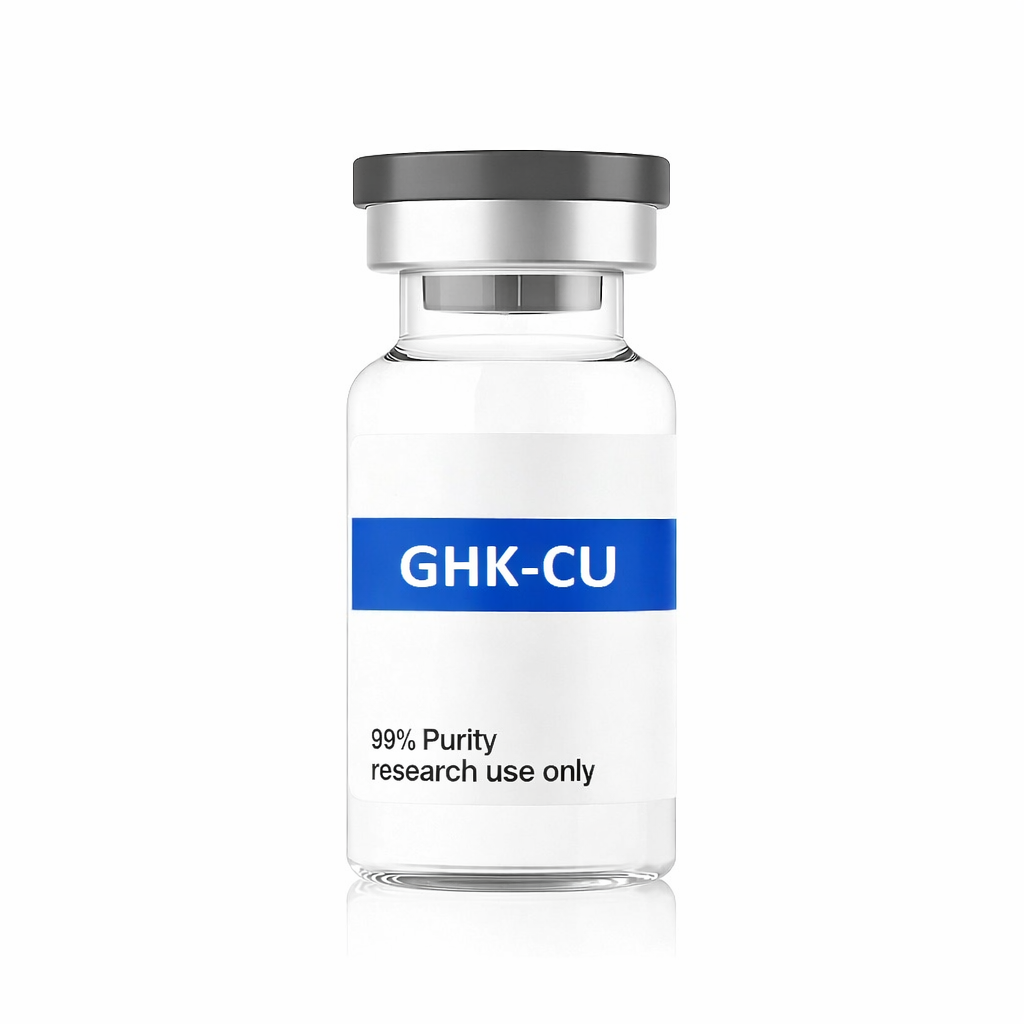
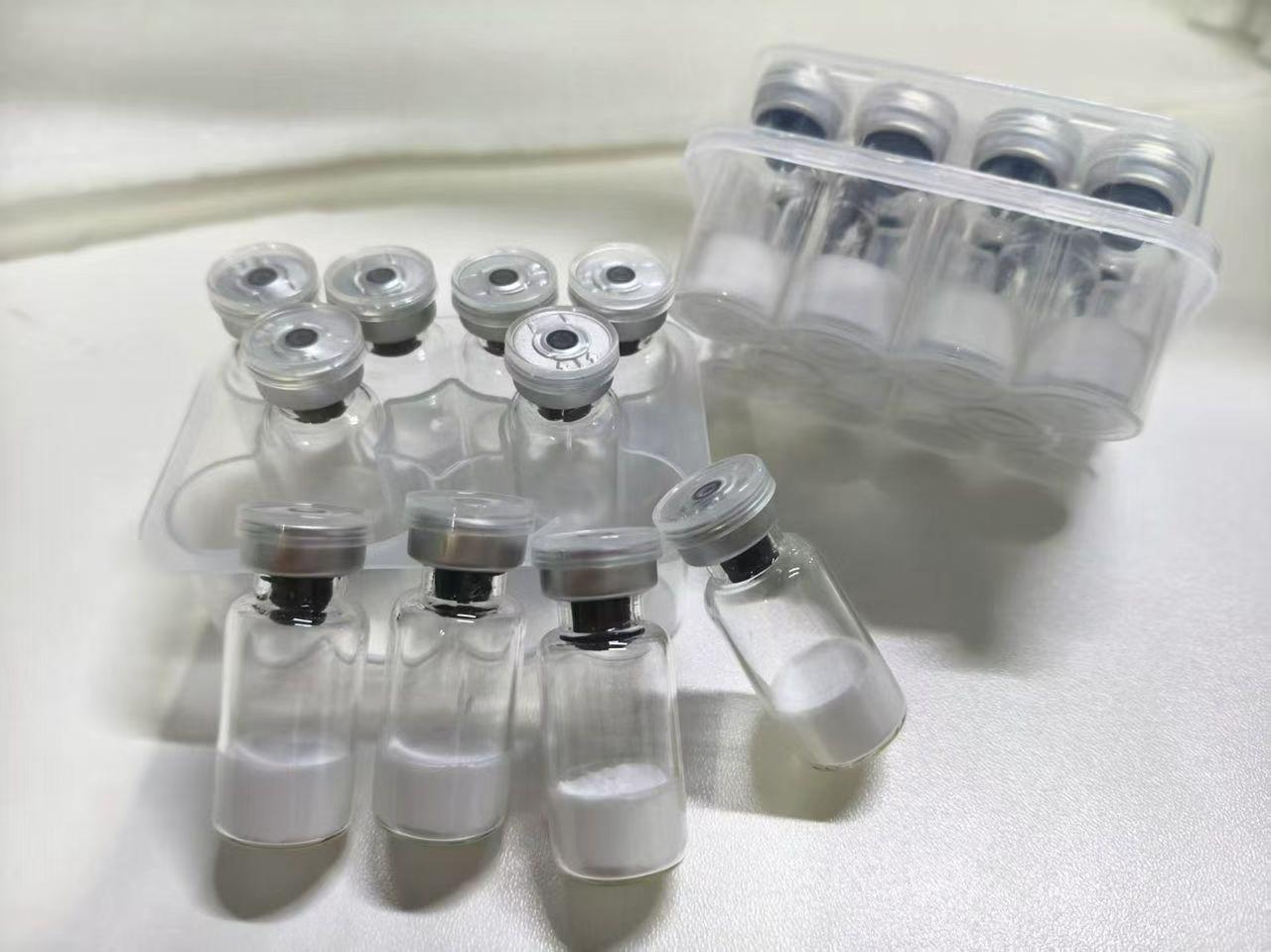
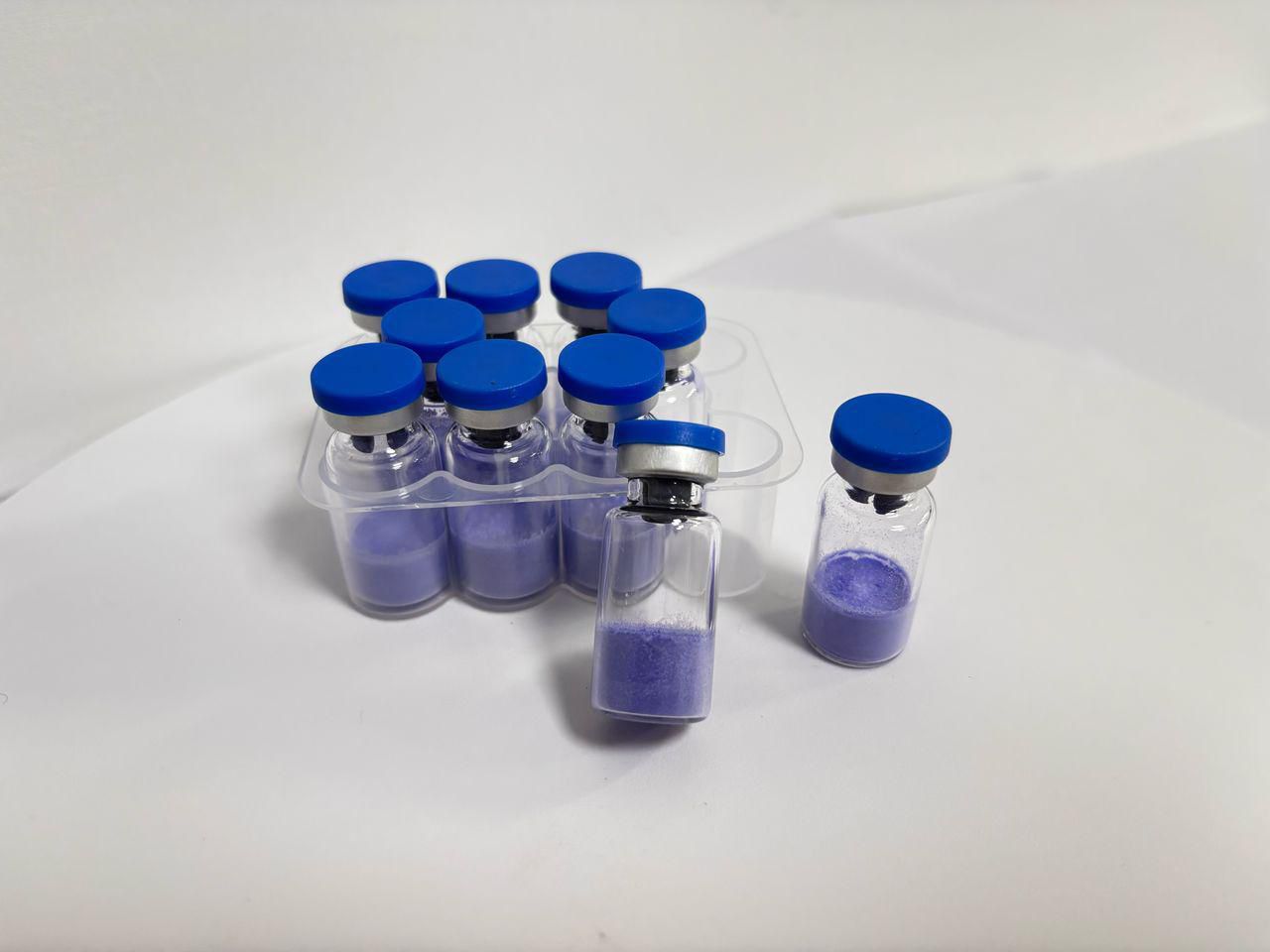
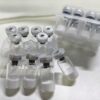
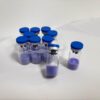
$44.00 – $75.00Price range: $44.00 through $75.00
Chk-Cu, or Chrysin-Copper (Cu), is a peptide complex that combines chrysin, a natural flavonoid found in various plants, with copper ions. Chrysin is known for its potential antioxidant properties and is often studied for its effects on various biological processes. The combination with copper is believed to enhance the properties and efficacy of the chrysin.
GHK-Cu is a naturally occurring copper peptide gaining attention in the scientific community for its regenerative and anti-inflammatory properties. Its ability to bind copper ions makes it a key molecule for studies in tissue repair, skin health, and cellular regeneration. Researchers and peptide enthusiasts explore GHK-Cu for its potential in wound healing, collagen synthesis, and as a molecular tool to understand cellular processes.
The peptide, often referred to as GHK-Cu peptide, is composed of three amino acids—glycyl-L-histidyl-L-lysine—complexed with copper. This combination facilitates cell signaling that promotes tissue repair, modulates inflammation, and may contribute to antioxidant effects. Studies indicate its involvement in skin remodeling, fibroblast stimulation, and extracellular matrix production, making it a valuable molecule in dermatological research.
GHK-Cu has been featured in academic discussions on platforms like GHK-Cu Reddit, where researchers share insights on experimental applications and study outcomes. While it is primarily a research chemical, understanding its properties helps laboratories design effective experiments exploring regenerative biology, anti-aging mechanisms, and peptide biochemistry.
When considering GHK-Cu for research, it’s important to note legal and regulatory guidelines. Many enthusiasts ask, “Is GHK-Cu legal in Australia?” While GHK-Cu is generally classified for research purposes only, compliance with local regulations and laboratory safety protocols is essential. This ensures ethical and safe handling while contributing to legitimate scientific inquiry.
For lab applications, GHK-Cu is usually dissolved in sterile water or buffer solutions at recommended concentrations. Researchers often apply it in in-vitro studies or controlled experiments to observe effects on cell cultures, collagen production, or inflammatory markers. Documentation of experimental conditions is crucial for reproducibility and reliability of results.
This peptide’s research potential makes it a topic of active discussion, from academic journals to online forums. Understanding its structure, properties, and documented applications allows researchers to design more targeted studies. GHK-Cu’s ability to promote cellular repair and skin-related processes continues to drive scientific curiosity and innovation.
. Researchers interested in peptide chemistry, cell signaling, and skin biology will find GHK-Cu a compelling subject for exploration.
High Purity Peptide: Suitable for in-vitro and academic research.
Supports Regenerative Studies: Useful for investigating tissue repair mechanisms.
Anti-Inflammatory Research Tool: Can aid studies on cellular inflammation modulation.
Well-Documented in Literature: Extensively cited in peer-reviewed journals.
Safe Lab Handling: Clear safety and storage guidelines for researchers.
Dissolve in sterile water or appropriate buffer.
Use under controlled laboratory conditions.
Follow all institutional safety protocols.
Store at recommended temperatures, usually refrigerated or frozen.
Document all concentrations and experimental conditions.
Is GHK-Cu legal in Australia?
GHK-Cu is allowed for research purposes but is not approved for human consumption. Compliance with local regulations is essential.
What is the typical research use of GHK-Cu?
It is commonly used in in-vitro studies, skin regeneration research, and cellular repair experiments.
How should GHK-Cu be stored?
Store in a cool, dry environment, typically refrigerated or frozen, and avoid direct sunlight.
Can I discuss GHK-Cu research online?
Yes, sharing scientific findings on forums like GHK-Cu Reddit is common, but always avoid promoting unapproved human use.
Explore the science behind GHK-Cu today. Add to your research toolkit and deepen your understanding of peptide biology. Shop research-grade insights now!
| MG | 100mg*10vials, 50mg*10vials |
|---|
 Optimized by Seraphinite Accelerator
Aria y –
Everything arrived beautifully packaged and exactly as described.