

- Your cart is empty
- Continue Shopping
Where to Buy Peptides in Australia (2026 Guide)
- peptide
- Posted on
-
by admin
- 0 comments
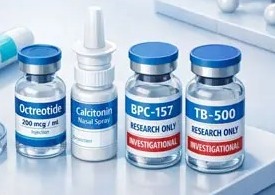
Educational overview of peptide science, quality standards, and the Australian research landscape.
What Are Peptides?
Peptides are short chains of amino acids that play an important role in biological research and modern biotechnology. Researchers study peptides in areas such as cellular signaling, metabolic function, tissue repair, and pharmaceutical development. where to buy peptides in australia
Over the last decade, interest in peptide research has grown significantly across Australia and internationally due to advances in laboratory science, analytical testing, and biotechnology innovation.
Today, peptides are commonly discussed in scientific literature relating to:
- metabolic pathways,
- endocrinology,
- regenerative biology,
- neuroscience,
- and pharmaceutical development.
Because the peptide industry has expanded rapidly, many Australians searching online want to better understand:
- what peptides are,
- how peptide research works,
- how peptide quality is evaluated,
- and what regulations apply within Australia.
This guide explains the Australian peptide landscape from an educational and research-focused perspective.
The Growing Interest in Peptides in Australia
Australia has seen increased interest in peptide-related research over recent years, particularly within scientific and biotechnology communities.
Several factors have contributed to this growth:
- advancements in peptide synthesis technology,
- expanding biomedical research,
- increased awareness of precision medicine,
- and wider discussion of peptide-related studies online.
Australian researchers and laboratories often focus on:
- peptide stability,
- purity testing,
- receptor interaction,
- and analytical verification methods. where to buy peptides in australia
As public awareness increases, it becomes increasingly important to distinguish between:
- educational/scientific information,
- regulated therapeutic applications,
- and unverified online claims.
How Peptides Are Studied
Peptides are typically studied in controlled laboratory settings using highly specialized analytical methods.
Common research areas include:
- receptor signaling,
- protein interaction,
- hormone pathway analysis,
- and molecular stability testing.
Researchers often evaluate:
- molecular structure,
- purity percentage,
- degradation behavior,
- and batch consistency.
The scientific community places strong emphasis on reproducibility and verified analytical testing.
Understanding Peptide Quality Standards
One of the most important topics in peptide research is quality assurance.
High-quality peptide research materials are generally evaluated using laboratory verification techniques such as:
High-Performance Liquid Chromatography (HPLC)
HPLC is widely used to measure peptide purity and identify impurities within a sample.
Researchers commonly look for:
- high purity percentages,
- clear chromatographic profiles,
- and batch consistency.
Mass Spectrometry (MS)
Mass spectrometry helps verify molecular weight and structural identity.
This testing method assists laboratories in confirming:
- sequence accuracy,
- molecular integrity,
- and synthesis precision.
Certificate of Analysis (COA)
A Certificate of Analysis provides documented laboratory data related to:
- purity,
- batch identification,
- and analytical testing methods.
Researchers often review COAs when evaluating scientific materials for laboratory use. where to buy peptides in australia
Research-Grade vs Therapeutic Peptides
A topic frequently discussed in Australia is the distinction between:
- research-grade peptides,
- and therapeutic or prescription-regulated products.
Research-Grade Materials
Research-grade materials are generally intended for:
- laboratory analysis,
- educational use,
- and scientific investigation.
These materials are often accompanied by analytical testing documentation and are discussed within scientific contexts.
Therapeutic Applications
Certain peptide-based substances may fall under prescription-only regulation in Australia depending on their classification and intended use.
Therapeutic applications are regulated through Australian authorities and healthcare frameworks.
Because regulations can change, it is important to refer to official Australian regulatory resources for the most up-to-date guidance.
Australian Regulations and Peptide Research
Australia maintains strict standards regarding regulated substances and therapeutic products.
The Australian regulatory framework focuses heavily on:
- public safety,
- product quality,
- scientific evidence,
- and lawful distribution practices.
Researchers and educational readers should understand that:
- regulations may differ depending on the compound,
- some substances may require prescription authorization,
- and advertising rules can vary significantly.
Staying informed through official government resources and scientific literature is essential.
What Researchers Look for in Scientific Suppliers
In research settings, laboratories commonly evaluate several factors when assessing scientific material providers.
Transparency
Professional scientific suppliers often provide:
- detailed testing documentation,
- batch information,
- and analytical reports.
Laboratory Verification
Independent third-party testing is commonly viewed as an important quality benchmark within scientific industries.
Storage and Stability
Peptides may require controlled storage conditions depending on:
- molecular structure,
- formulation,
- and environmental sensitivity.
Researchers often review handling recommendations carefully to preserve analytical integrity.
Scientific Documentation
Clear documentation and technical specifications help support transparency and reproducibility in laboratory environments.
Popular Peptides Frequently Discussed in Research
Several peptide categories are frequently referenced within scientific and biotechnology discussions.
Cagrilintide
Cagrilintide has attracted attention in metabolic and endocrinology-related research discussions.
Scientific literature continues to explore:
- receptor interactions,
- signaling pathways,
- and metabolic mechanisms.
BPC-157
BPC-157 is frequently mentioned in experimental and preclinical discussions related to tissue and cellular research.
TB-500
TB-500 is another peptide often referenced in scientific literature focused on regenerative biology and molecular signaling.
CJC-1295
CJC-1295 is commonly discussed in endocrinology-related research and growth hormone pathway studies.
How to Read Peptide Research Responsibly
The internet contains a large amount of peptide-related content, but not all information is reliable.
When reading peptide-related material online, it is important to:
- prioritize peer-reviewed scientific sources,
- avoid exaggerated claims,
- review evidence critically,
- and verify information through reputable references.
Scientific understanding evolves continuously, and responsible research requires careful interpretation of evidence.
The Importance of Evidence-Based Information
High-quality educational content should focus on:
- scientific transparency,
- evidence-based discussion,
- and balanced analysis.
Readers should be cautious of:
- unrealistic claims,
- unsupported marketing language,
- and content lacking scientific references.
Reliable educational resources typically:
- explain mechanisms clearly,
- cite scientific principles,
- and avoid sensational claims.
Future of Peptide Research in Australia
Australia’s biotechnology and scientific sectors continue to expand, contributing to ongoing interest in peptide-related research.
Emerging areas include:
- precision medicine,
- biomolecular engineering,
- targeted therapeutics,
- and advanced analytical chemistry.
As research advances, education and scientific literacy will remain essential for understanding this rapidly evolving field.
Frequently Asked Questions
Are peptides legal in Australia?
Regulations vary depending on the specific compound and intended use. Some substances may fall under prescription or therapeutic regulation. Official Australian regulatory guidance should always be consulted.
What is peptide purity?
Purity refers to the percentage of the intended peptide present within a sample. Analytical techniques such as HPLC are commonly used to evaluate purity levels.
Why are Certificates of Analysis important?
COAs provide analytical testing information related to identity, purity, and batch verification.
What is the difference between research-grade and therapeutic products?
Research-grade materials are typically intended for scientific investigation, while therapeutic products may fall under regulated medical frameworks.
Final Thoughts
Interest in peptide research in Australia continues to grow as scientific understanding and biotechnology innovation evolve. where to buy peptides in australia
For educational readers, the most important considerations include:
- scientific transparency,
- analytical verification,
- regulatory awareness,
- and evidence-based interpretation of information.
Understanding how peptides are studied, tested, and discussed within scientific communities helps promote informed and responsible engagement with this rapidly developing field.

